Waking up with tender, puffy gums is an unpleasant start to the day. You might spot a bit of pink in the sink after brushing or feel a persistent throbbing ache. Finding out how to treat swollen gums quickly becomes a priority.
The most effective route involves identifying the cause, using gentle home remedies for immediate comfort, and seeing a trusted dentist to clear the underlying infection. Let us look at why are my gums swollen and the realistic costs of managing it in Singapore.
What are Swollen Gums?
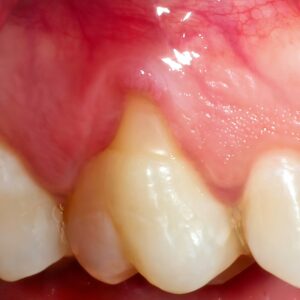
Swollen gums, or gingival swelling, occur when the soft tissues surrounding your teeth become enlarged, prominent, or bulbous. This is usually a defensive inflammatory response by your body to irritation or infection.
What are Swollen Gums?
Swollen gums, or gingival swelling, occur when the soft tissues surrounding your teeth become enlarged, prominent, or bulbous. This is usually a defensive inflammatory response by your body to irritation or infection.
Identifying Gingival Swelling
- The Cause: Swollen, tender gums are a natural defence mechanism caused by blood rushing in to fight bacteria.
- The Complication: Prolonged swelling means your immune system is struggling to clear the infection.
- The Cycle: Puffy gums trap more food particles, which fuels ongoing irritation.
Swollen Gums Symptoms and Causes
The transition from healthy gums to gingivitis is often subtle. When identifying swollen gums symptoms and causes, you might notice:
- Redness instead of a healthy pink hue.
- Tenderness when eating or brushing.
- Bleeding during flossing (the “pink toothbrush” effect).
- Persistent bad breath.
These symptoms suggest bacteria are irritating the gum margins, often leading to gingivitis—the earliest and most common cause of swollen gums. If you have painful swollen gums, your body is signalling an inflammatory response to irritation or infection.
Why are My Gums Swollen? Common Triggers
Identifying the exact cause of your discomfort is the first step toward choosing the right treatment for swollen gums.
Plaque Build-up and Gingivitis
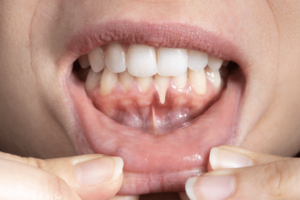
Plaque is a bacterial film that hardens into tartar. This buildup irritates the tissue, leading to swollen gums around tooth structures. Unlike advanced gum disease, this is reversible through professional cleaning.
Swollen Gum Wisdom Tooth and Molars
If you notice a swollen gum behind molar teeth or swollen back gums, it is often caused by erupting wisdom teeth. A swollen gum wisdom tooth can trap bacteria under a flap of tissue, leading to a painful condition called pericoronitis. Swollen gums in back of mouth areas should be evaluated quickly to prevent the infection from spreading to the jaw.
Pregnancy and Hormonal Changes
Hormonal surges during pregnancy, specifically progesterone and oestrogen, increase blood flow to gum tissue and make it hypersensitive to bacteria. This leads to pregnancy gingivitis, where gums swell easily even with low plaque levels. The condition typically peaks in the second trimester and resolves after childbirth.
Swollen Gums Treatment at Home: Remedies and Risks
Swollen gums treatment at home can provide short-term relief while you wait for a dental appointment.

Effective Home Remedies: The Saltwater Rinse
For an immediate swollen gums remedy, a warm saltwater rinse is highly effective. Mix half a teaspoon of salt into warm water and swish for 30 seconds. This draws fluid from inflamed tissues and reduces bacterial activity.
Pros and Cons of Home Management
Relying solely on DIY treatments carries certain risks. Here is a quick look at the benefits and drawbacks of treating things yourself.
| Aspect | Home Remedies |
|---|---|
| Pros | Low cost, easily accessible, provides immediate soothing relief for mild pain. |
| Cons | Does not remove hardened tartar, cannot cure a deep root infection. |
| Risks | Ignoring a severe swollen gum around a tooth could allow bacteria to enter the bloodstream, which in extreme cases may lead to systemic issues like sepsis. |
The 3-3-3 Rule for Pain Management
The 3-3-3 technique is a practical emergency stopgap:
- Three doses of anti-inflammatory medicine for swollen gums (like Ibuprofen) daily.
- Cold compress for three minutes.
- Soft foods for three days.
Warning: DIY methods do not remove hardened tartar. Ignoring a severe swollen gum around a tooth could allow bacteria to enter the bloodstream.
Swollen Gums Management and Treatment: Professional Solutions
While home care can help relieve symptoms, professional treatment is essential for addressing the underlying cause and preventing tooth loss.
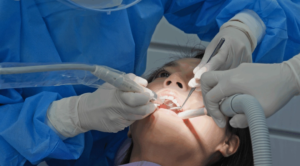
Scaling, Polishing, and Root Planing
Professional scaling uses ultrasonic tools to clear irritants from below the gum line. If infection is deep, we perform root planing to smooth the tooth roots, making it harder for bacteria to adhere.
Specialist Medicine for Swollen Gums
If an infection is aggressive, a dentist may prescribe specific medicine for swollen gums, such as antimicrobial mouthwashes (Chlorhexidine) or oral antibiotics. These are essential for treating swollen gums in back of mouth where reaching with a brush is difficult.
How Much Does Swollen Gums Treatment Cost in Singapore?
Treatment prices in Singapore fluctuate depending on the clinic location, the expertise of the dentist, and the specific procedures required to restore your oral health.
Price Transparency at WeSmile Dental
We believe in straightforward pricing without hidden surprises. Routine management is quite accessible, while complex cases require more extensive work. Here are our typical ranges to help you plan:
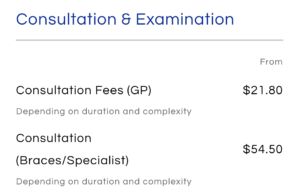
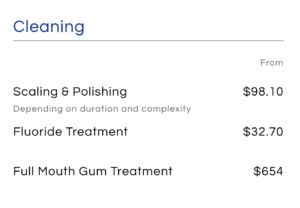 Note: Singaporeans and PRs may use Medisave for approved surgical procedures related to gum disease.
Frequently Asked Questions About Swollen Gums
Can a gum infection cause a headache?
Yes. The nerves in your jaw are connected to your head; a severe infection can trigger referred pain.
Is it OK to brush swollen gums?
Yes! Use a soft-bristled brush and gentle circular motions. Skipping brushing allows more plaque to accumulate, worsening the swelling.
When should I see a trusted dentist for painful swollen gums?
If you experience high fever, facial swelling, or difficulty swallowing, seek professional help immediately as the infection may be spreading.
Why Choose WeSmile Dental for Your Swollen Gums Treatment?
Persistent or painful swollen gums are often a sign of an underlying infection that will not resolve on its own. Delaying treatment can allow the condition to worsen, leading to deeper gum disease, tooth loss, or more complex procedures later.
At WeSmile Dental, our dentists will identify the exact cause of your swollen gums—whether it’s plaque buildup, a gum infection, or an impacted wisdom tooth—and recommend an appropriate treatment for your condition.
With clinics conveniently located in Ang Mo Kio, Bedok, and Orchard, getting timely care is simple and accessible.
If your gums are swollen, tender, or bleeding, don’t wait.
Early treatment leads to faster relief, better outcomes, and lower overall costs. Ready to see what treatment is right for you?