
Have you ever noticed a bit of pink in the sink while brushing? A minor annoyance often serves as the first warning sign of developing gum disease. In Singapore, this silent condition is surprisingly common, yet many people wait until they feel pain to seek help.
What is Gum Disease?
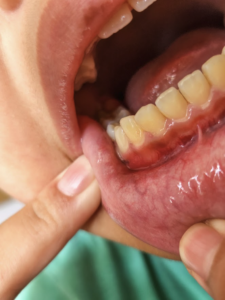
Gum disease is an infection of the tissues that hold your teeth in place. It ranges from mild, reversible gingivitis to periodontitis, which causes permanent bone and tooth loss.
The Silent Progression: From Gingivitis to Periodontitis
Gum disease begins as gingivitis, an inflammation of gum tissue driven by a build-up of bacterial plaque. At this stage, it is fully reversible with improved home care and a professional clean. Left untreated, the infection reaches the bone and develops into periodontitis. It is where the infection spreads below the gumline and starts destroying the bone and connective tissue that anchor your teeth.
When Does Gum Disease Become Irreversible?
Gingivitis remains reversible with professional cleaning and improved hygiene. However, once it progresses to periodontitis, the infection permanently dissolves the bone supporting your teeth. While treatment can stop further damage, lost jawbone rarely grows back, making early detection vital to saving your natural teeth.
What Causes Gum Disease?
Bacterial plaque is the primary culprit, but smoking, diet, medical conditions, and genetics all influence how quickly gum disease develops and how severe it becomes.
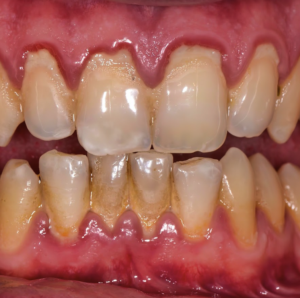
The Role of Bacterial Plaque and Tartar
Plaque forms within hours of eating and, if not brushed or flossed away, hardens into tartar. Since tartar removal requires professional dental cleaning, any buildup beneath the gumline rapidly becomes a breeding ground for bacteria, leading to gum inflammation and infection.
Local Risk Factors: Diet, Smoking, and Singapore’s Fast-Paced Lifestyle
High-sugar diets, including frequent hawker meals and sweet drinks, feed the bacteria responsible for plaque. Smoking reduces blood flow to the gums, which masks early symptoms and slows healing after treatment. In Singapore, packed schedules mean routine scaling appointments are often pushed back, sometimes for years. These are common, everyday habits, and they carry real consequences over time.
Medical Conditions and Hormonal Changes
Uncontrolled diabetes impairs the body’s ability to fight infection, and gum tissue is particularly vulnerable. Many pregnant women develop pregnancy gingivitis due to hormonal fluctuations that make gums more sensitive and prone to bleeding. Those managing chronic conditions such as diabetes should discuss this with their dentist, as systemic health issues are a known risk factor for gum disease and can worsen symptoms silently.
Symptoms of Gum Disease: Who Is at Risk in Singapore?
Gum disease is often called a silent condition because early stages are rarely painful. Knowing what to look for, and whether you fall into a higher-risk group, can help you catch it before it becomes harder to treat.
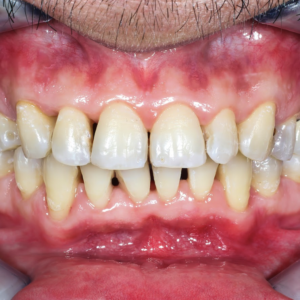
Recognising the Red Flags in Gum Disease
The most common early warning signs of gum disease include:
- Gums that bleed during brushing or flossing
- Red, swollen, or tender gum tissue
- Persistent bad breath (halitosis) that does not go away after brushing
- Gums that appear to be pulling away from the teeth, making them look longer than usual
Genetics and Age Factors
Smokers face a noticeably higher risk of gum disease and tend to have poorer treatment outcomes. Older adults are also more susceptible, as gum tissue becomes less resilient with age. A family history of gum disease or early tooth loss may indicate a genetic predisposition to periodontal disease, making it an important factor to raise with your dentist. Genetics does not guarantee gum disease, but it does appear to lower the threshold at which it develops.
Warning Signs of Severe Infection
Pus between the gums and teeth, visible gum boils, or teeth that feel loose or seem to be shifting position are signs of advanced periodontitis. These warrant prompt attention. At this stage, the infection has likely been progressing for some time, and delay tends to make the eventual treatment complex and costly.
Types of Gum Disease Treatment in Singapore
Treatment ranges from routine deep cleaning for early-stage disease to surgical procedures for more advanced infection. Aesthetic corrections, such as gummy smile treatment, are also available once the underlying condition is stable.
Non-Surgical Solutions: Scaling, Polishing, and Root Planing
For early-stage gum disease, scaling and polishing is the go-to first treatment — removing plaque and tartar from above and just below the gumline to restore gum health. When gum disease has progressed further, root planing (also known as deep cleaning) goes a step further by smoothing the root surfaces beneath the gumline, eliminating bacterial deposits and reducing the likelihood of them returning. Both treatments are performed under local anaesthesia and are highly effective for mild to moderate periodontitis, often eliminating the need for surgical intervention.
Surgical Procedures: Gingivectomy and Flap Surgery
When pockets between the teeth and gums become too deep to clean non-surgically, a gingivectomy may be recommended. This procedure removes diseased or overgrown gum tissue, reduces pocket depth, and helps halt the spread of infection. Flap surgery takes a different approach: the gum is lifted back to allow thorough cleaning of the root surface and the underlying bone. Both are well-established procedures used when non-surgical treatment alone is not enough.
Advanced Aesthetic Solutions: Gummy Smile Treatment Singapore
For those self-conscious about a gummy smile, effective treatment options are available – ranging from gummy smile surgery such as lip repositioning and crown lengthening, to gummy smile Botox, which works by relaxing the muscles that cause the upper lip to rise too high. That said, these aesthetic treatments are only considered once any active gum infection has been fully resolved. Treating the underlying gum disease always comes first, and once that is achieved, cosmetic options can be explored with greater confidence and predictability.
How Much Does Gum Disease Treatment Cost?
Treatment costs vary depending on the severity of your condition and the procedures required. The table below provides a general guide to what patients at WeSmile Dental Singapore can expect to pay.
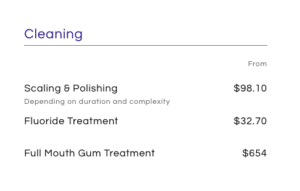
For more information about our prices as well as other services, you can refer to our comprehensive price list here.
Using CHAS Subsidies for Gum Treatments
CHAS cardholders, including Orange, Blue, Pioneer, and Merdeka Generation, may be eligible for subsidised scaling and polishing at participating clinics. These subsidies can meaningfully offset the cost of preventive care, which is often the most effective and affordable way to manage gum disease over the long term. It is worth confirming whether your chosen clinic is CHAS-registered before booking.
Medisave Claims for Surgical Gum Procedures
Routine scaling and polishing is generally not claimable under Medisave. Surgical procedures, however, including gingivectomy, flap surgery, and bone grafting, may be eligible for Medisave claims depending on clinical indication. It is advisable to check eligibility and required documentation with your clinic in advance, as requirements can vary.
Frequently Asked Questions About Gum Disease Treatment
How can I treat gum disease at home?
You can manage very mild gingivitis by improving your brushing and flossing technique. However, once plaque has hardened into tartar or if you have periodontitis, home care is not enough. You need a professional to remove the source of the infection.
Is gum disease treatment painful?
Most treatments are performed with local anaesthesia, so you should not feel pain during the procedure. For non-surgical cleanings, you might feel some pressure or vibration. We also offer minimally invasive options like laser therapy which tends to involve less discomfort and faster healing.
Can I get gummy smile treatment if I have gum disease?
It is usually best to treat any active infection first. Healthy gums are the foundation for any aesthetic work. Once the inflammation is gone and your gums are stable, we can look into options like surgery or Botox to improve the appearance of your smile.
Why Choose WeSmile Dental?
WeSmile Dental has three clinics across Singapore, in Ang Mo Kio, Bedok, and Orchard, each staffed by multi-lingual dentists who take the time to understand your concerns before recommending anything. The ethos here is long-term health over quick procedures. Whether you are coming in for a routine scale and polish or seeking advice on a more complex periodontal problem, the approach is to walk you through your options clearly, without pressure.