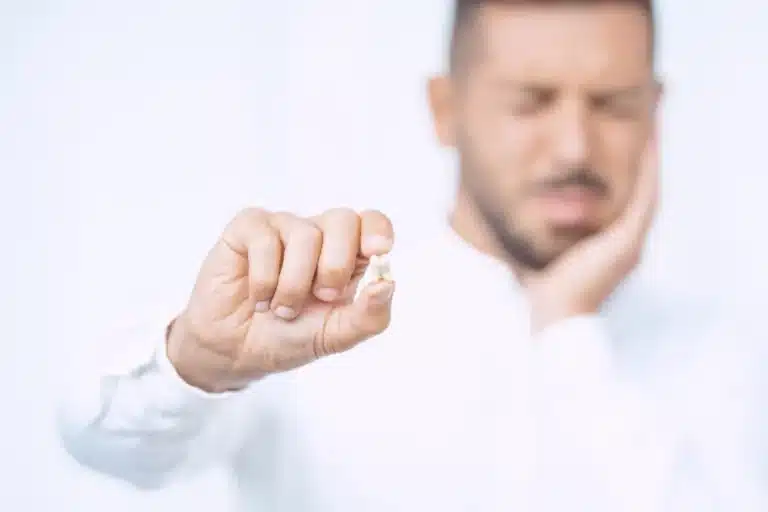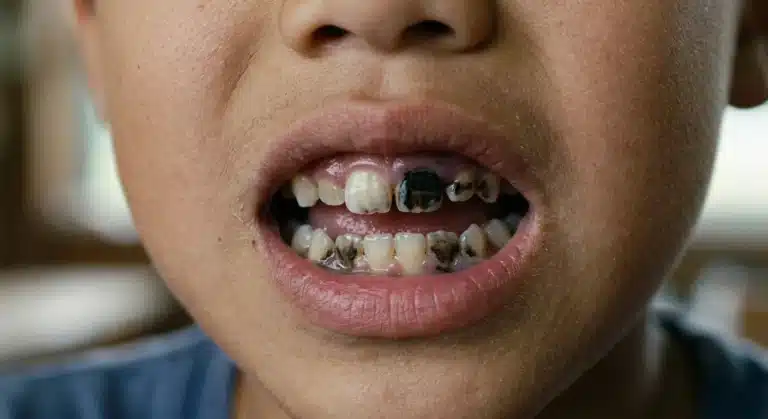
Did you just have a tooth pulled, only to be hit with a throbbing ache days later? You might be dealing with a dry socket. It is a painful but highly treatable condition that happens when the healing process stalls.
What Is a Dry Socket?
Dry socket, medically known as alveolar osteitis, is a condition that occurs after a tooth extraction. Normally, a blood clot forms over the removal site. This clot acts like a natural plaster, protecting the underlying bone and delicate nerve endings while your gums heal.
When this clot fails to develop or dislodges too early, it leaves the socket exposed to air, food, and fluids. This exposure is what triggers the intense pain.
Healthy socket vs dry socket: How to spot the difference
Telling the difference between normal healing and a problem can sometimes be tricky. A healthy socket generally looks dark red or features a dark scab as the clot forms. Conversely, looking into a dry socket often reveals an empty looking hole, sometimes with visible white or greyish exposed bone.
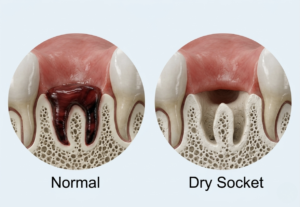
| Feature | Normal Healing | Dry Socket |
|---|---|---|
| Appearance | Dark clot visible | Empty hole, whitish bone |
| Pain Level | Mild ache, improving daily | Throbbing pain, worsening |
Common dry socket symptoms to watch for
A dry socket tooth extraction site feels distinctly different. Symptoms tend to be intense and hard to ignore. Watch out for:
- Severe, throbbing pain radiating to the ear, eye, or jaw on the same side.
- An unpleasant, foul taste lingering in the mouth.
- Noticeable bad breath that brushing does not fix.
- An empty looking extraction site.
What Causes a Dry Socket?
While several factors can disrupt the healing process after a tooth extraction, the primary culprit is physical interference. Activities that create oral suction, such as aggressive rinsing or using a straw, can easily dislodge the fragile clot.
Biological factors also play a massive role. Research shows that dry socket occurs much more frequently in smokers than in non-smokers because tobacco use restricts blood flow necessary for healing. Additionally, oral contraceptives containing high oestrogen levels may disrupt clot formation. Poor oral hygiene simply allows bacteria to contaminate the area, delaying recovery.
The link between dry socket wisdom teeth removal
You might notice this condition is frequently associated with wisdom tooth surgeries. Impacted dry socket wisdom teeth removals require more complex surgical manipulation.
This increased tissue trauma during extraction makes the lower jaw particularly vulnerable. The lower jaw has denser bone and slightly less blood supply than the upper jaw, which makes forming a stable clot harder.
Why is Day 3 the worst after tooth extraction?
Patients often wonder why they feel fine initially, only to experience intense pain later. While standard extraction soreness usually peaks within the first 24 hours, dry socket pain follows a different path:
- Days 1-3: Pain typically intensifies during this window as the blood clot gradually washes away.
- Day 3: Once the oral environment fully exposes the nerve, the pain usually spikes dramatically.
Prevention Methods and At-home Treatments
Proper wisdom tooth extraction recovery requires diligent aftercare to prevent complications and ensure the surgical site heals correctly Here is how to prevent dry socket effectively:
- Stick entirely to a soft food diet for the first few days.
- Avoid hot, carbonated, or alcoholic drinks entirely.
- Do not use straws or smoke for at least 48 to 72 hours.
- Chew on the opposite side of your mouth.
Does salt water heal a dry socket? At-home relief myths and facts
A common misconception is that a salt water rinse is a cure. Gentle warm salt water rinses are excellent for keeping the area clean and preventing bacterial buildup. They do not, however, actually heal a dry socket once the protective clot is gone. Rinsing might offer a brief moment of cleanliness, but relying on salt water alone will not stop the underlying nerve pain.
Professional Dry Socket Treatment
When at-home methods fail to provide relief, it is often because the exposed bone and nerve endings require a clinical barrier to heal. Professional dry socket treatment is fast and effective. It focuses on relieving pain and protecting the extraction site.
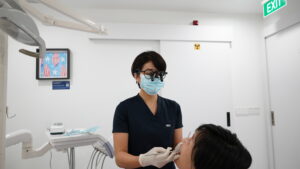
- Deep Site Irrigation: Unlike standard rinsing at home, we use professional grade sterile saline or antimicrobial solutions to deeply flush the socket. This process effectively clears out stubborn food debris and bacteria that cause irritation and delay the formation of new tissue.
- Specialised Medicated Dressing: This is the most effective clinical intervention for dry socket relief. We pack the site with a specialised medicated gauze or paste, typically rich in eugenol (clove oil). This acts as an artificial blood clot by shielding the exposed bone from air and food while providing almost immediate numbing relief.
- Professional Pain Management: In addition to the local dressing, we can provide targeted anti-inflammatory recommendations or prescriptions that are more effective than standard over the counter options.
- Guided Healing and Follow-ups: Healing takes time. We schedule follow up visits to monitor your progress and replace the medicated dressing as your body begins to grow the granulation tissue needed to naturally fill the gap.
Frequently Asked Questions about Dry Socket
How quickly does a dry socket kick in and how long is it a risk?
The intense aching usually kicks in within one to three days following the extraction. The condition remains a risk until the gums begin to physically close over the empty hole. For most people, this sensitive window lasts about a week. Once that new tissue starts covering the bone, your risk drops to almost zero.
What happens if dry socket goes untreated?
Choosing to ignore the problem is not advisable. If left untreated, you will likely experience prolonged, excruciating pain that disrupts your sleep and daily life. An open tooth extraction dry socket site acts as a trap for food debris. This continuous exposure may delay the overall healing timeline or, in rare instances, increase the risk of developing a deeper bone infection.
Will antibiotics cure a dry socket?
People frequently assume antibiotics fix all dental pain. In this case, they do not. A dry socket is essentially an issue of exposed bone and nerve endings rather than a bacterial infection. Antibiotics will not cure the pain or force a new clot to grow. Relief comes from physically covering the nerve with a medicated dressing and giving your body time to generate new tissue.
Does a dry socket heal on its own?
Technically, yes. The body will eventually heal the site by growing new tissue from the bottom up, completely bypassing the need for a blood clot. Leaving it to heal on its own, however, means enduring several days of severe, unnecessary agony. Seeking professional packing from a dentist is highly recommended simply to manage the pain and protect the area while nature does its work.
Why Choose WeSmile Dental?
Dealing with extraction pain is frustrating enough without worrying about where to find help. At WeSmile Dental, our multi-lingual doctors prioritise your comfort and focus on long-term oral health over rushed fixes. We maintain three convenient locations across Singapore in AMK, Bedok, and Orchard, making it easy to get urgent care when you need it most.
Do not suffer through post extraction pain. Book your Smile Analysis today.