
Delaying a dental filling in Singapore can allow tooth decay to progress deeper into the tooth, eventually leading to severe pain, infection, root canal treatment, or even tooth loss. A small cavity can easily go unnoticed, especially when there is no pain or only mild sensitivity. Many patients only notice a problem when they start experiencing sensitivity or pain while eating or drinking.
Tooth decay remains one of the most common dental problems we treat in practice, and tooth fillings continue to be one of the most effective and conservative ways to restore a damaged tooth. By treating cavities early, we can often preserve more of your natural tooth structure and reduce the risk of more extensive dental treatment in the future.
Understanding how dental fillings work and when they may be needed can help you make informed decisions about your oral health.
What is a Dental Filling in Singapore?
A dental filling is a common restorative treatment in Singapore used to repair teeth affected by cavities, minor cracks, or tooth damage caused by decay. During the procedure, the decayed portion of the tooth is carefully removed before the area is filled with a restorative material to restore the tooth’s shape, strength, and normal function.
In Singapore, tooth coloured composite fillings are commonly used because they blend naturally with surrounding teeth while helping prevent further decay or damage.
Why Tooth Decay Happens
Tooth decay develops gradually and is often linked to everyday habits. It usually begins when plaque, a sticky layer of bacteria, builds up on the teeth and is not removed effectively.
Over time, the bacteria in plaque produce acids that weaken the enamel surface. If this process continues without intervention, a cavity forms.
Several factors increase the risk of decay. These include inconsistent brushing and flossing, frequent snacking on sugary or acidic foods, dry mouth conditions that reduce saliva protection, and missed dental check-ups. Even with good oral hygiene, some areas of the mouth are more prone to plaque accumulation, which is why regular professional cleaning and examination remain important.
Signs You May Need a Dental Filling
Not all cavities cause immediate pain, especially in the early stages. However, certain signs may indicate tooth decay.
Common symptoms of tooth decay
- Sensitivity when eating hot, cold, or sweet foods
- Discomfort or pain when biting or chewing
- Visible dark spots on the tooth surface
- Small holes or rough areas on the tooth
- Food getting trapped between teeth
- A dull, persistent toothache
Because early decay may not always be noticeable, regular dental check-ups allow us to detect problems before they become more serious.
When Do Dentists Choose a Dental Filling vs. Dental Crown?
Dentists recommend a filling when tooth decay or damage is limited to a small or moderate area, and enough healthy tooth structure remains to support the tooth. This makes fillings suitable for early-stage cavities and minor tooth damage.
A dental crown in Singapore becomes necessary when the tooth is significantly weakened, extensively decayed, or at risk of fracture. In these cases, a crown provides full coverage and reinforces the entire tooth to restore strength and function.
Compared to a filling, a crown involves a more extensive restoration. Factors such as durability and long-term value often influence treatment planning, including cost considerations.
Types of Dental Filling Materials in Singapore
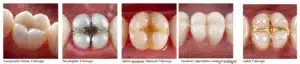
Different materials are used depending on the location of the tooth, the size of the cavity, and aesthetic needs.
Composite Resin
It is the most commonly used material today. It is tooth-coloured and blends naturally with surrounding teeth, making it suitable for visible areas. It also bonds well to the tooth structure, which helps preserve more of the natural tooth.
Glass Ionomer
It is another material often used in smaller restorations or areas where fluoride release is beneficial. While it provides additional protection against decay, it is generally less durable under heavy chewing pressure.
Ceramic or Porcelain Fillings
They are used when aesthetics and durability are both important. They are highly resistant to staining and are often used for larger restorations, such as inlays or onlays, although they may require more than one visit.
Amalgam Fillings
While it’s durable and strong, they are less commonly used today due to aesthetic preferences, although it may still be suitable in specific clinical situations.
Gold fillings
Gold fillings remain one of the most durable options available. They can withstand heavy chewing forces and last many years, but are less commonly chosen today due to cost and appearance.
We select the most appropriate material based on both functional and clinical needs rather than a one-size-fits-all approach.
What to Expect During a Dental Filling Procedure in Singapore

A filling procedure in Singapore is usually completed in a single visit.
It typically takes about 20 to 60 minutes, depending on the size and location of the cavity.
What happens during the treatment
- We examine the affected tooth
- An X-ray may be taken if needed
- Local anaesthesia may be given for comfort
- The decayed part of the tooth is removed
- The cavity is cleaned thoroughly
- The filling material is placed into the tooth
- The filling is shaped to match your natural bite
- We check your bite for comfort and balance
- The filling is polished for a smooth finish
Most patients can return to normal daily activities shortly after treatment.
How Long Do Dental Fillings Last?
A dental filling typically lasts between 5 and 15 years, depending on several factors, including the type of material used, the size of the restoration, and how well the teeth are maintained over time.
On average, composite fillings last around five to ten years, while amalgam fillings may last longer, sometimes exceeding fifteen years. Ceramic and gold restorations often last the longest, sometimes exceeding fifteen years, and in some cases even longer with good care.
Good oral hygiene, regular dental visits, and avoiding excessive biting pressure all help extend the lifespan of a filling.
Toothache After Dental Filling: Is It Normal?
It is not unusual to experience mild sensitivity after a filling, particularly when eating hot or cold foods. This is usually temporary and improves within a few days as the tooth adjusts.
However, if pain persists, worsens, or affects your bite, it may indicate that the filling needs adjustment. In such cases, we recommend a review so we can ensure the restoration is functioning comfortably.
Dental Filling Price in Singapore
Simple composite fillings in Singapore may start from approximately SGD 80 to SGD 150 per tooth. More complex fillings, such as those involving multiple surfaces or using materials like ceramic or gold, may cost more depending on the clinical situation.
During your consultation, we assess your tooth condition carefully and recommend the most suitable treatment options. We will also explain the expected costs clearly so you can make an informed decision before proceeding.
Frequently Asked Questions About Dental Fillings in Singapore
Do Fillings For Cavities Hurt?
Getting a filling does not usually hurt because our dentists in Singapore use local anesthesia to numb the area before treatment. You may feel slight pressure during the procedure, but sharp pain is uncommon. Some mild discomfort or sensitivity can happen after the numbness wears off, but it typically resolves within a few days.
What Does a Cavity Filling Feel Like?
A cavity filling usually feels like pressure and vibration while our dentist removes decay and restores the tooth. With local anesthesia, most of our patients do not feel pain, only slight movement or drilling sensations. After the procedure, mild sensitivity to hot or cold may occur for a few days as the tooth adjusts.
Can I Eat After a Dental Filling in Singapore?
Yes, but it is best to wait until numbness wears off before eating. Soft foods are recommended at first, especially if a larger filling was placed.
Book a Dental Consultation Today
If you are experiencing sensitive teeth, discomfort, or suspect a tooth cavity, early treatment can help prevent more complex dental issues later. Dental fillings are a conservative way to restore affected teeth and stop the problem from progressing.
If you’ve noticed sensitivity when eating or drinking or are overdue for a check-up, book a short consultation to quickly help identify the cause, and we can guide the right treatment.
Walk-in appointments may be available but are subject to clinic availability. To secure your preferred time, we recommend booking your appointment in advance.