If you’re considering invisible braces in Singapore, you’re likely weighing the upfront costs against the effectiveness of clear aligners for your specific dental needs. This guide breaks down the types of invisible braces available locally, ranging from clear aligners and ceramic braces to lingual braces, to help you find the right fit for you lifestyle and budget.
What are Invisible Braces?
Invisible braces refer to a category of orthodontic treatments designed to straighten teeth with minimal impact on a person’s appearance. Unlike traditional stainless steel tracks, these systems use translucent materials or strategic placement to remain discreet. In Singapore, these options are increasingly popular among working professionals and students who require dental correction but prefer a subtle aesthetic during the process.
Who Are Invisible Braces Best For in Singapore?
Invisible braces are an ideal solution for individuals who prioritise aesthetics alongside clinical results. In Singapore’s fast-paced professional environment, they are particularly popular among:
- Working Professionals: Those in client-facing roles or corporate environments who want to improve their smile without the metal brackets.
- Students and Young Adults: Individuals who may feel self-conscious about traditional braces during social milestones or graduation photos.
- Brides and Grooms-to-be: Many opt for clear aligners due to the flexibility of removing them for wedding photos and events.
- Patients with Mild to Moderate Misalignment: Those looking to correct crowding, gaps, or minor bite issues efficiently.
Who May Not Be Suitable for Invisible Braces?
Certain factors may disqualify a patient from invisible treatment options; these include:
- Severe Malocclusions: Complex cases involving significant jaw discrepancies or severe tooth rotations often require the heavy-duty mechanical leverage that only traditional metal braces can provide.
- Commitment Levels: Removable aligners require 20–22 hours of daily wear; patients lacking this discipline may achieve better results with fixed options like lingual braces.
- Bridge Work or Multiple Implants: Patients with extensive previous dental work may face limitations, as aligners work best when moving natural teeth through the bone.
- Younger Children: Since invisible options often rely on all adult teeth being present and a high level of patient responsibility, they are generally recommended for older teens and adults.
What are the main components of these treatments?
The components vary depending on the system chosen. For removable options, the treatment consists of a series of custom made transparent trays that fit snugly over the dental arch. For fixed options, such as ceramic or lingual systems, the treatment involves brackets and wires. Ceramic systems use tooth coloured materials to blend with the enamel, while lingual systems are bonded to the inner surfaces of the teeth to stay completely out of view.
Why choose discreet orthodontic options over metal ones?
The primary reason many patients in Singapore opt for discreet systems is the aesthetic flexibility they provide. Beyond appearance, removable systems allow for easier maintenance of oral hygiene, as the patient can brush and floss without the hindrance of wires. Fixed ceramic or lingual options are often chosen when a patient requires the continuous corrective force of traditional braces but wishes to maintain a professional look in social or work environments.
What should patients consider before starting treatment?
Patients must undergo a comprehensive clinical examination, which usually includes X-rays and digital scans. It is important to note that the suitability of each system depends on the complexity of the dental misalignment. While discreet options are highly effective, certain severe jaw discrepancies or complex tooth rotations may require specific mechanical approaches that your dentist will discuss during the initial assessment.
Types of Invisible Braces: Which is Right for Your Lifestyle?
The term invisible braces covers a broad spectrum of dental technology, ranging from removable plastic aligners to fixed brackets hidden behind your teeth. Each system offers a different balance of aesthetics, convenience, and clinical control.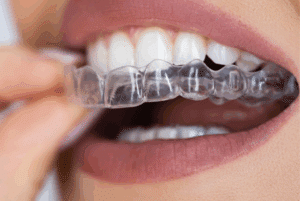
Clear Aligners
In Singapore, invisible braces are almost synonymous with clear aligners. These systems utilise medical-grade, flexible thermoplastic materials designed to apply gentle, consistent pressure to guide teeth into their desired positions. They are highly sought after because they offer the flexibility to be removed for meals, oral hygiene, or important professional engagements.
Ceramic Braces (Clear Fixed Braces)
If you are worried about losing removable trays or lacking the discipline to wear them for 22 hours a day, ceramic braces are a reliable alternative. These function exactly like traditional metal braces but use semi-translucent or tooth-coloured ceramic brackets that blend in with your enamel. While the wire is still visible up close, they are far less jarring than metal. They are often the middle ground for patients who need the mechanical power of fixed braces to fix a complex bite but want to maintain a professional appearance.
Lingual Braces (The Truly Invisible Option)
For those who want zero visibility, lingual braces are the only truly 100% hidden option. Unlike other methods, these metal brackets are custom-fitted to the back (tongue-side) of your teeth. Since they are hidden by the teeth themselves, no one will know you are undergoing treatment, even from a few inches away. They are highly effective for complex movements but do require an adjustment period for your tongue, and you might notice a slight lisp for the first week or two.
Clear Aligners vs. Ceramic Braces: A Comparison
Choosing between these invisible braces option often comes down between the complexity of your dental bite and how much effort you are willing to put into daily maintenance.
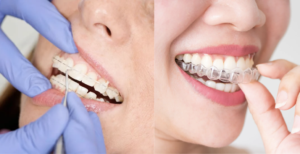
Suitability for Complex Cases (Bite vs. Alignment)
Not all invisible braces are created equal when it comes to structural adjustments.
- Lite Aligner Systems are fantastic for cosmetic improvements, primarily focusing on aligning the front social six teeth for a straighter smile.
- Comprehensive Aligner Systems and Ceramic Braces are better equipped to handle skeletal issues like deep bites, crossbites, or severe overcrowding.
If your jaw alignment is off, a fixed ceramic system or a high-tier comprehensive aligner plan provides the necessary vertical control and complex tooth movements that simpler, budget-friendly aligner brands may lack.
Potential Side Effects and Discomfort
During the first week of any new tray or bracket adjustment, you are likely to experience a temporary lisp or minor irritation to the tongue and cheeks. While some marketing suggests a completely painless journey, the reality involves a dull pressure that signifies your teeth are successfully relocating. Using orthodontic wax or over-the-counter relief during this transition phase usually manages the sensation effectively.
Invisible Braces Singapore Cost Comparison
In Singapore, the price of invisible braces generally follows a tiered structure based on how much work your teeth need. Total costs are influenced by the complexity of your misalignment, the brand of hardware used, and the level of specialist supervision required.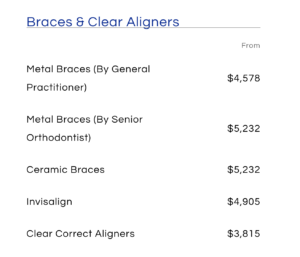
For more information about our prices as well as other services, you can refer to our comprehensive price list here.
At WeSmile Dental, we offer flexible instalment plans , making braces treatment more manageable. While braces are generally not Medisave claimable as they’re considered elective), we ensure transparent pricing with no hidden charges.
Frequently Asked Questions
Are invisible braces as effective as metal braces?
For most cases, yes. Modern clear aligners and ceramic braces can achieve the same results as metal ones. However, for extremely severe jaw discrepancies, your dentist might still suggest traditional methods for the highest level of mechanical force.
Can I eat and drink normally with invisible braces?
- Invisible braces: You can eat and drink without restriction, but you must remove the aligners first. Drinking anything other than plain water while wearing them can stain the plastic or trap sugars and acids against your teeth, leading to decay.
- Ceramic & Lingual Braces: You can eat and drink with these fixed options in place, but avoid hard, sticky, or crunchy foods that could damage brackets. Limit staining liquids like coffee and wine to keep the attachments looking clear.
Do invisible braces hurt?
It is more of a pressure than a sharp pain. When you switch to a new tray or get ceramic braces tightened, your teeth may feel sore for 24–48 hours. This is actually a good sign—it means your teeth are moving!
Can I get invisible braces if I already had metal braces before?
Yes, this is very common in Singapore. Many adults who didn’t wear their retainers as teenagers experience orthodontic relapse. Clear aligners are an excellent, discreet way to shift those teeth back into their ideal positions.
Start Your Journey to a Confident Smile
There is no single best type of invisible braces; the right choice depends on your specific dental anatomy, your daily coffee habits, and your budget. Whether you value the removability of clear aligners or the 100% concealment of lingual braces, the most important step is a professional assessment.
Would you like to see what your future smile could look like? Book a consultation at WeSmile Dental today for a personalised 3D smile assessment and a tailored treatment plan.