
WSD Essentials (Scaling & Polishing, Fluoride Treatment, Full Mouth X-rays) at $98 nett. Learn more.
WeSmile Essentials (Scaling & Polishing, Fluoride Treatment, Full Mouth X-rays) at $98 nett. Learn more.
Scaling & Polishing in Singapore
Even with proper oral habits like brushing daily and flossing after meals, plaque and tartar will still accumulate on your teeth, eventually contributing to gum disease and tooth decay over time. To keep your mouth healthy, we usually advise coming in every six months for a routine check-up and cleaning. This typically includes a full scaling and polishing session, along with a fluoride treatment when required.
Clinics in Ang Mo Kio, Bedok & Orchard.
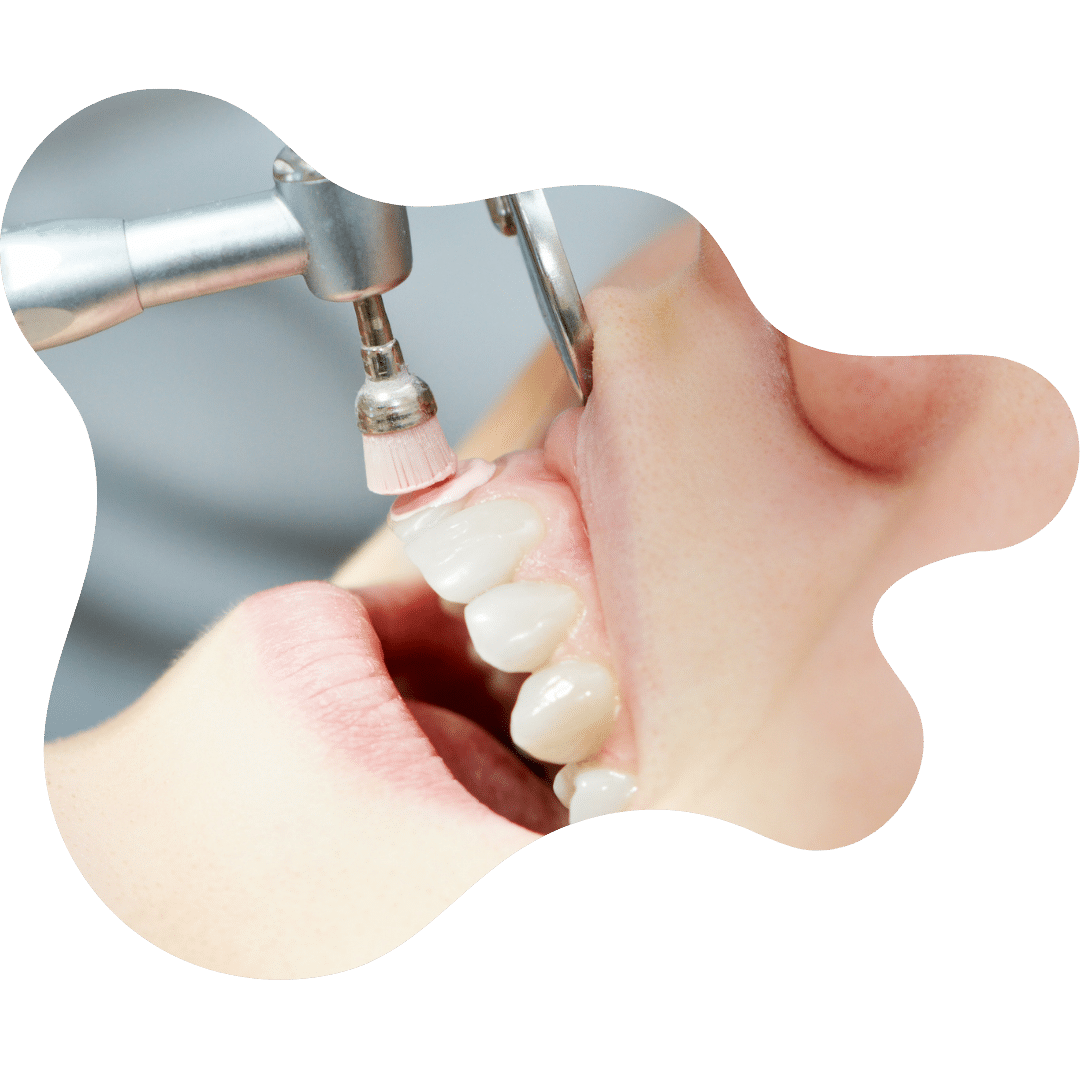
Scaling and polishing is one of the most essential dental treatment at any dentist as it is a fundamental procedure to prevent the onset of gum disease or tooth decay in the long run.
We often hear the terms scaling and polishing paired together for every routine cleaning. Scaling is a common dental procedure that removes hardened plaque, also known as tartar or calculus. Polishing on the other hand, helps to remove stains and minute particles of tartar. It also ensures that your tooth enamel is smooth and glossy.
Teeth Scaling targets hardened deposits (tartar/calculus) that form when plaque isn’t removed in time. Once plaque mineralises, brushing and flossing cannot dislodge it — only a dentist or hygienist’s instruments can.
Teeth polishing follows scaling. Using a gentle rotating cup and paste, it smooths and subtly shines your enamel. This makes teeth surface-cleaner and reduces areas where plaque accumulates.
Many dental clinics in Singapore combine scaling and polishing with preventive fluoride treatments, especially for patients who consume sugary or acidic diets.
Scaling and polishing complements your daily oral care routine for long-term gum and dental health.
Properly performed, scaling and polishing does not harm your enamel. Instead, it provides essential benefits that brushing alone can’t deliver:
Professional scaling targets tartar and plaque-laden bacteria that regular brushing and flossing often miss. By eliminating these buildup areas, it helps reduce gum irritation and prevents unpleasant breath.
Regular teeth scaling and polishing help stop gum inflammation, gingivitis, and the early stages of gum disease. Addressing these issues early protects the supporting bone and tissue from potential long-term damage.
Polishing smooths the tooth surface and removes stains caused by food, drinks, or habits like smoking, leaving your smile visibly brighter and more polished.
This treatment reaches bacteria in areas difficult to clean at home, such as between teeth and along the gum line. By clearing these hidden spots, it makes your daily brushing and flossing more effective and keeps your mouth healthier overall.
No. Enamel is a hard, mineralised tissue, far tougher than plaque or tartar. Scaling only removes deposits adhering to the tooth surface — not enamel itself. Professional hygienists use calibrated instruments with controlled pressure, ensuring the procedure is safe.
For most adults, a scale and polish every six months is sufficient. This interval aligns with the typical rate at which plaque deposits mineralise into tartar and become harder to remove. Many dental practices around Singapore recommend this schedule for routine preventive care.
You may benefit from more frequent visits — say every 3–4 months — if you:
Smoking or regularly drinking coffee, tea, or red wine can stain your teeth over time. Teeth scaling and polishing help remove these surface stains and restore a brighter smile.
Braces, retainers, and other dental devices can trap plaque in hard-to-reach areas. Professional cleaning ensures these spots are thoroughly cleaned, reducing the risk of decay or gum problems.
Some people develop tartar more quickly, even with good oral hygiene. Regular scaling helps prevent tartar from hardening on teeth and causing gum irritation or cavities.
If you have sensitive gums or a history of gum disease, professional cleaning is essential to protect your gums, prevent inflammation, and maintain long-term oral health.
If you notice any of the following, it might be time to book a cleaning:
Regular cleaning helps break the cycle early — long before more serious dental issues arise.
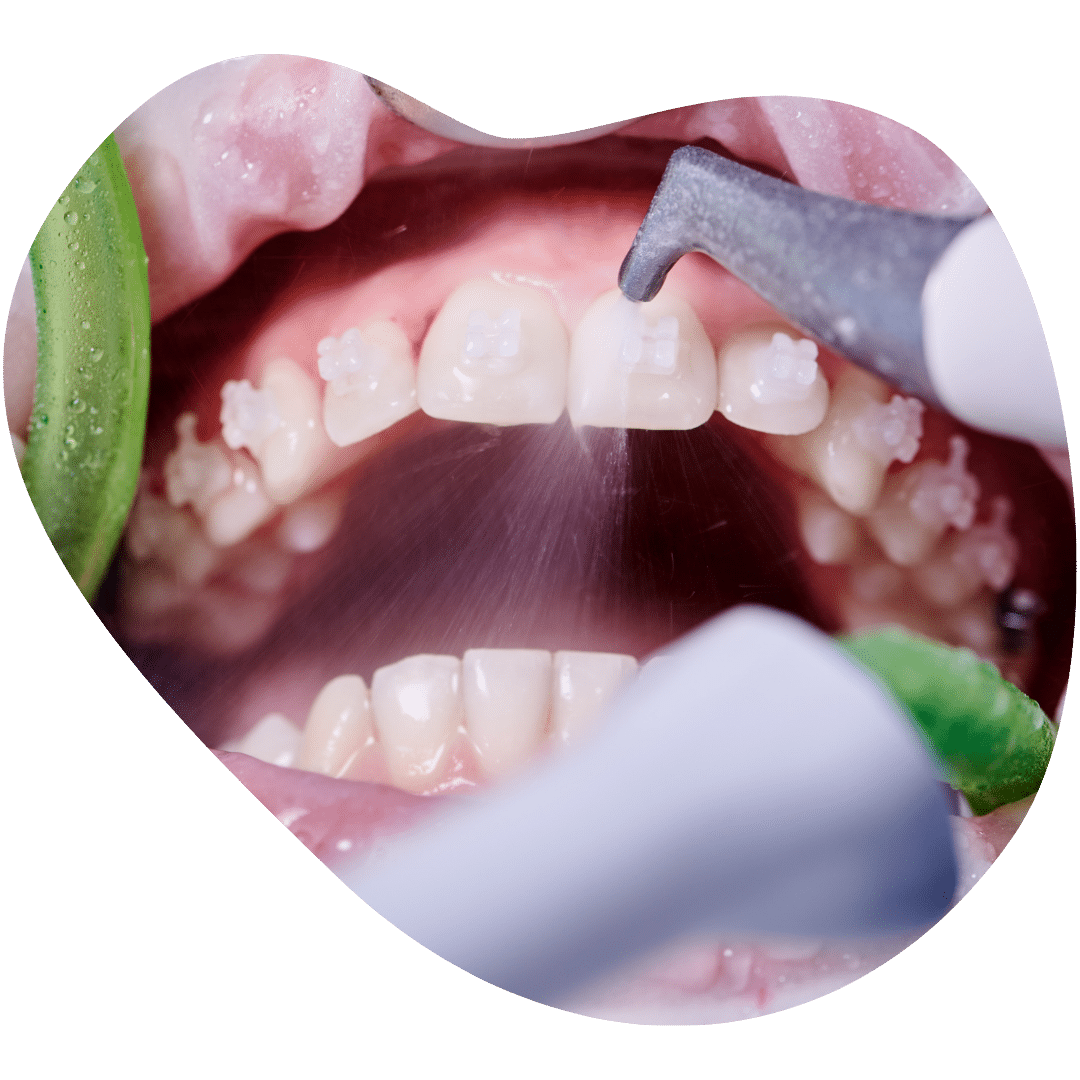
Our dentists use a small ultrasonic device that gently vibrates to break apart tartar. A water spray flushes away debris. You may hear a soft humming noise, which is entirely normal. This removes stubborn deposits above and slightly below the gumline.
After scaling, a polishing paste is applied to your teeth with a rotating rubber cup or brush. This gently smooths the enamel, removing light surface stains and making teeth less porous — which helps delay new plaque buildup and leaves your mouth feeling clean and refreshed.
Most patients report little to no discomfort. Some may feel mild sensitivity — especially if gums are inflamed or tartar is heavy. Any brief sensitivity or gum irritation usually settles within a day or two. Many dentists use gentle pressure or offer numbing gel if needed.
For the next few hours, it’s best to avoid:
These simple after-care steps help your gums settle and protect enamel while teeth adjust.
Clarify the differences between routine cleaning and deeper dental procedures — know what you need.
Practical habits that extend the benefit of your cleaning and support long-term oral health.
✅ Brush twice daily using a soft-bristle toothbrush and fluoride toothpaste. Consider switching to an electric toothbrush for more effective plaque removal.
✅ Clean between teeth daily — floss or use interdental brushes or water flossers to reach areas a toothbrush cannot.
✅ Limit sugary or acidic foods and drinks; consume plenty of water and maintain a balanced diet.
✅ Attend regular dental check-ups and scale & polish sessions every 6–12 months (or more often if recommended).
Consistent home care plus regular professional cleaning ensures your teeth stay cleaner, healthier, and less prone to disease — keeping your smile strong over time.
In many Singapore dental clinics, a standard scaling and polishing session costs between S$80 to S$180, depending on factors such as gum health, the amount of tartar, and whether additional cleaning or fluoride treatments are required.
Note: Routine scaling and polishing is considered preventive care — as such, most local health-savings schemes (including Medisave) do not apply.
If you’re due for a scale and polish, or have noticed gum sensitivity, bad breath, or tartar build-up — book an appointment today. A cleaner, healthier smile awaits.
All prices are inclusive of GST.
From
No. Scaling itself does not loosen healthy teeth. If teeth feel loose, it’s usually due to prior gum disease. Scaling removes tartar — which, if left, can worsen gum inflammation and lead to recession.
Bleeding during scaling usually indicates existing gum inflammation caused by plaque or tartar build-up. As clean-up proceeds, bleeding should decrease.
Most patients experience little to no discomfort. Mild sensitivity can occur, especially if gums are inflamed or tartar is heavy, but it usually settles within a day or two. Numbing gel can be applied if needed.
Yes — a clean scale and polish removes surface stains, making teeth appear brighter and cleaner. However, this is not the same as a whitening treatment, which alters the tooth’s natural shade.
Yes, gentle brushing is safe. Avoid aggressive scrubbing for the first few hours to let gums recover. Use a soft-bristled toothbrush and fluoride toothpaste.
Yes. Special instruments are used to safely clean around implants, crowns, and veneers without damaging them.
While it doesn’t directly stop cavities, removing plaque and tartar reduces bacteria that cause tooth decay, lowering your overall risk.
Yes, professional dental cleaning is generally safe during pregnancy. Dentists often recommend it to maintain gum health and prevent pregnancy-related gingivitis.