That sharp, throbbing ache that keeps you awake at 2 AM is rarely just a minor inconvenience. It often signals a deeper issue within the tooth that a standard filling cannot fix. When the pain becomes a constant companion, you might hear the term endodontist mentioned by your dentist.
In Singapore, an endodontist is a dental specialist registered with the Singapore Dental Council. They focus specifically on treating the internal structures and health of your teeth. These experts are the ones you visit when a tooth is at risk of being lost or removed. They use advanced, precise root canal treatments to save your natural teeth and protect your smile.
What is an Endodontist?
An endodontist is a dentist who has completed several years of extra, specialised training. This advanced education focuses specifically on treating the dental pulp and the tissues around the roots of your teeth. Only Singapore Dental Council (SDC)-accredited professionals can legally use the title endodontist. This regulation ensures you’re seeing a qualified specialist, not just a general dentist who occasionally performs root canals.
What Does an Endodontist Do? Core Procedures and Expertise
Core procedures:
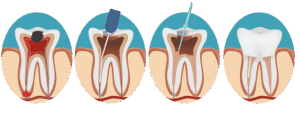
- Root canal treatment
- Retreatment of failed root canals
- Apicoectomy (surgical removal of infected root tip)
- Cracked tooth diagnosis
- Traumatic injury management
- Complex pain diagnosis
Endodontists use powerful surgical microscopes to see tiny details that are invisible to the naked eye. With 25x magnification, they can easily spot hairline cracks, navigate complex root structures, and even remove broken tools from past treatments.
The Highest Level of Dental Specialisation for Root Problems
While an oral surgeon might focus on extractions and a prosthodontist on crowns, the endodontist is dedicated to root canal expertise. They use CBCT 3D scans, bioceramic materials, and ultrasonic instruments. A surgical microscope can reveal a fourth canal in a molar that standard magnification misses, often the reason root canals fail.
When Should You See an Endodontist? Common Reasons for Referral
You might need to see a root canal specialist if you experience persistent pain that does not resolve with standard care. General dentists often refer patients to these specialists for complex tooth structures or when previous treatments haven’t worked.

First Signs You Need Endodontic Treatment
- Persistent pain lingering after hot/cold exposure
- Spontaneous throbbing, especially at night
- Sharp pain when biting or chewing
- Tooth discolouration (grey or brown)
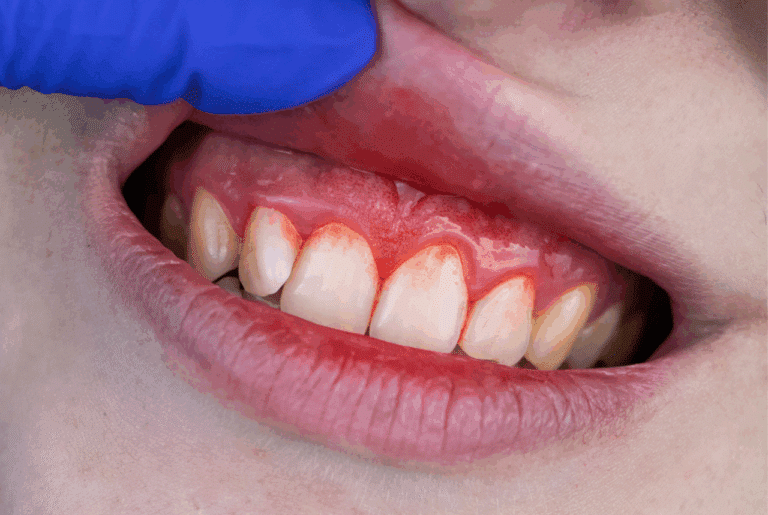
- Gum swelling or pimple-like bump
- Prolonged temperature sensitivity
Why Would a Dentist Refer You to an Endodontist?
Common referral triggers:
- Complex anatomy (curved, calcified, or multiple canals)
- Retreatment of failed root canals
- Diagnostic uncertainty about pain source
- Cracked teeth requiring specialist assessment
- Cases needing surgical intervention
- High-value teeth where failure isn’t acceptable
Specific Conditions Endodontists Treat
Endodontists do more than just treat infections. They also handle sports-related dental injuries, hard-to-find tooth cracks, and cases where the body is gradually dissolving the tooth structure. In cases where an infection persists at the root tip despite a root canal, they can perform apical surgery to remove the infected tip directly. This targeted approach is often the final step to save a tooth before it has to be extracted.
The Benefits of Choosing an Endodontist for Root Canal Treatment
Choosing a specialist often leads to more predictable outcomes and a more comfortable patient experience. Their focus on a single area of dentistry means they are prepared for every possible complication.

Higher Success Rates for Molar Root Canals
- Training: Endodontists undergo 2–3 years of additional residency specifically for root canals.
- Technology: They utilise surgical operating microscopes and CBCT (3D imaging) that most general offices do not have.
- Case Difficulty: They primarily treat molars and retreatments—cases with the highest risk of failure in a general setting.
Pain Management and Patient Comfort
Modern root canals are typically painless. Specialists use advanced anaesthesia techniques, work with surgical precision, and offer sedation for anxious patients. Most procedures take 60-90 minutes for molars, less for front teeth.
After anaesthesia wears off, expect mild tenderness for 2-3 days manageable with over-the-counter pain relief.
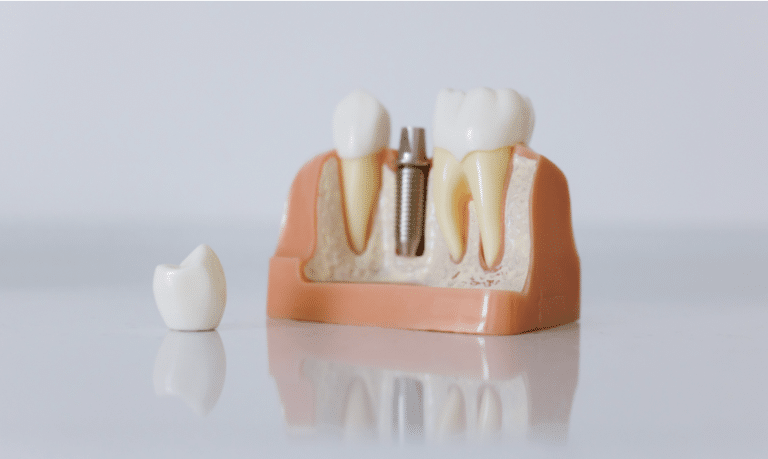
Saving Your Natural Tooth vs. Dental Implants
Natural teeth connect to jawbone through periodontal ligaments providing sensory feedback implants can’t replicate. Properly treated natural teeth can last a lifetime whilst preserving bone structure better than any replacement.
Risks, Limitations, and Downtime of Root Canal Treatment
Root canals have a high success rate. However, it is still important to understand the possible risks and what to expect during recovery. No medical procedure is entirely without risk, though specialist care minimises these concerns.

Potential Risks: Reinfection and Instrument Fracture
Failure rates are 5-10%, meaning 90-95% succeed long-term. Failures happen due to persistent bacteria, missed canals, tooth cracks, delayed crown placement, or new decay. Instrument fracture occasionally occurs in severely curved canals. Specialists can often retrieve broken instruments or work around them.
Honesty matters: some teeth can’t be saved. Vertical root fractures usually mean extraction. But specialists give teeth the best possible chance.
Recovery: What to Expect After the Procedure
Most patients return to normal activities the same day. Mild tenderness for days 1-3, manageable with over-the-counter pain relief. Within 2-4 weeks, schedule your crown appointment.
The crown is crucial. Studies show crowned teeth survive 85-90% of the time versus 65-70% for non-crowned root canal treated teeth.
Root Canal Treatment Cost in Singapore: Private vs. Polyclinic
Understanding cost structures helps with planning.
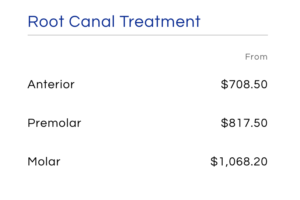
Root Canal Treatment Price Structures
We believe in straightforward pricing without hidden surprises. Here are our typical ranges to help you plan:
WeSmile Dental vs. Polyclinic: Advantages and Disadvantages
| Feature | WeSmile Dental (Private) | Polyclinic / National Centres |
|---|---|---|
| Waiting Time | Minimal / Same-day Emergency | Often several months |
| Specialist Access | Immediate SDC-accredited endodontists | Requires referral and long wait |
| Technology | Surgical Microscopes & CBCT | Standard equipment (usually) |
| Cost | Higher, CHAS subsidies available | Lower, Government subsidised rates |
For detailed cost information, visit our price list here.
Frequently Asked Questions About Endodontists
Q: Are endodontists more expensive than dentists?
Yes, specialist fees are 20-40% higher. However, higher success rates mean fewer failures requiring expensive retreatment or extraction plus implant. Paying more upfront often costs less long-term.
Q: What’s the longest a root canal can last?
With specialist treatment and proper crown placement, 10-15 years easily. Many last 20+ years or a lifetime. Success depends on treatment quality, timely crown placement, and oral hygiene.
Q: What is the difference between a dentist and an endodontist?
Dentists complete 5-6 years dental degree. Endodontists add 3+ years specialist training focused exclusively on root canals, trauma, and pain diagnosis. It’s like comparing a family doctor to a cardiologist.
Q: Is it better to get a root canal from an endodontist?
For simple front teeth, general dentists are adequate. For molars, retreatments, difficult anatomy, or diagnostic uncertainty, specialists offer higher success rates and handle complications better.
Why Choose WeSmile Dental for Your Root Canal?
At WeSmile Dental, we believe in a patient-centric approach that prioritises the long term health of your smile. Our multilingual doctors explain every step clearly so you feel comfortable throughout your visit. With clinics in Ang Mo Kio, Bedok, and Orchard, accessing specialist care is easy and convenient. We combine modern technology with precise treatment to ensure your root canal is a smooth success.