Gingivitis during pregnancy is a common condition where gums become tender, swollen, and bleed easily due to rapid hormonal shifts. It’s one of many surprising bodily changes, and some of them happen right in your mouth. Addressing these symptoms early is vital, and understanding the basics of safe prenatal oral care helps protect both you and your developing baby. You might want to consider routine
preventative dentistry to keep your smile healthy and comfortable throughout all three trimesters.
Key Takeaways
- The Cause: Surging oestrogen and progesterone levels increase blood flow to your gums, making them hyper-sensitive to plaque and causing swelling or bleeding (pregnancy gingivitis).
- The Risk: Left untreated, severe gum disease (periodontitis) can release bacteria into the bloodstream, increasing the risk of preterm birth and low birth weight.
- The Myth: Pregnancy does not leech calcium from your teeth—tooth loss or decay stems from acid exposure (morning sickness) and inflamed gums.
- Safe Care: Professional scaling, polishing, and essential dental procedures are safe during pregnancy, with the second trimester being the optimal treatment window.
- Key Home Tip: Never brush right after morning sickness; rinse with water and wait 30 minutes to protect your enamel.
What is Pregnancy Gingivitis and Why Does It Occur?
Hormonal fluctuations alter how your body reacts to everyday bacteria, making expectant mothers far more prone to irritated gums.
The Hormonal Catalyst: Oestrogen and Progesterone Shifts
Surging levels of oestrogen and progesterone increase blood flow to your gum tissue. Think of your gums during pregnancy like a sponge that has suddenly become hyper-sensitive. Even a tiny amount of plaque triggers an outsized reaction. This heightened circulation appears to exaggerate the body’s natural inflammatory response.
The Timeline: When Are Symptoms Most Common?
Clinical data shows that pregnancy gingivitis symptoms commonly manifest during the second month of gestation. The severity of gum irritation typically increases, reaching its peak during the second and third trimesters, before resolving post-delivery.
Distinguishing Regular Plaque Accumulation from Hormonal Gingivitis
While standard plaque buildup happens to everyone, hormonal gingivitis is an entirely different story. It is an amplified, hyper-reactive response to even the smallest amount of bacteria. During pregnancy, surging hormone levels increase blood flow to your gum tissues and change how your body reacts to plaque, turning what would normally be mild irritation into noticeable swelling and bleeding.
Here is how to tell the difference between the two conditions at a glance:
| Feature |
Regular Gum Irritation |
Pregnancy Gingivitis |
| Primary Trigger |
Heavy plaque accumulation |
Minor plaque combined with hormonal shifts |
| Onset Timeline |
Typically gradual |
Often rapid, starting early in the first trimester |
| Resolution |
Clears with basic brushing |
Requires ongoing management until post-delivery |
Identifying the Signs of Gingivitis and Pyogenic Granuloma
Identifying specific intraoral changes supports the timely management of prenatal oral health. Clinical presentations vary from localised gingival tenderness and bleeding to distinct, benign vascular tissue overgrowths professionally known as pyogenic granuloma (or epulis gravidarum).
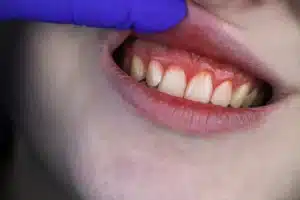
Swollen, Red, and Tender Gums
The most frequent clinical signs include localised erythema (redness) and edema (swelling) of the gingival tissues, which frequently bleed during routine brushing or flossing. Patients may experience heightened tissue tenderness and discomfort during oral hygiene practices, even when applying minimal pressure.
Understanding Pregnancy Epulis (Pyogenic Granuloma)
In some cases, a localised, vascular nodule may develop on the gingival margin. Professionally designated as a pyogenic granuloma or epulis gravidarum, this growth is an entirely benign, non-neoplastic inflammatory lesion. Due to its highly vascular nature, the tissue is prone to bleeding upon contact. These lesions frequently undergo spontaneous regression following delivery as hormone levels stabilise.
Managing Halitosis (Bad Breath) and Gum Sensitivity
Plaque accumulation can trap bacteria in swollen gum pockets, leading to persistent bad breath. Gentle, consistent cleaning helps manage both halitosis and heightened sensitivity.
The Oral-Systemic Link: How Maternal Gum Health Affects Prenatal Development
Accumulating scientific evidence highlights a significant relationship between maternal periodontal status and systemic health.
Independent clinical research indicates that untreated maternal periodontal infections function as potential risk factors that may influence foetal development and contribute to adverse pregnancy outcomes.
Untreated Gum Disease and the Risk of Early Birth
If gingivitis remains unaddressed during pregnancy, it can progress into severe periodontitis, a more advanced stage of gum disease that damages the tissue holding your teeth in place.. Clinical studies indicate that severe maternal periodontal infections are associated with an elevated risk of preterm birth and low birth weight. The biological mechanism suggests that
bacteria and locally produced pro-inflammatory cytokines can enter the maternal bloodstream from ulcerated gingival pockets, potentially translocating to the foetal-placental unit and inducing an early labor cascade
Does Pregnancy Really Cause Tooth Loss?
There is no scientific basis to support the historical belief that pregnancy directly causes maternal tooth loss due to the depletion of dental minerals. Clinical research confirms that the calcium required for intrauterine foetal skeletal development is
obtained exclusively from maternal dietary intake and internal bone reservoirs, rather than dental enamel. Hydroxyapatite (the hard mineral compound that forms tooth enamel) crystals within mature tooth enamel are non-dynamic structures and do not participate in systemic calcium remodeling during gestation. Any elevated risk of tooth decay or tooth mobility observed during pregnancy is attributed to altered salivary pH, gestational emesis (acid reflux from morning sickness), and hormonal impacts on gum and tooth-supporting tissues, rather than localised mineral extraction.
Dental Interventions for Pregnant Patients in Singapore
Routine and essential dental treatments are clinically recommended during pregnancy to maintain optimal oral health. Dental practices in Singapore follow specific, evidence-based safety protocols to ensure that clinical interventions remain safe and optimised for both maternal and foetal well-being.
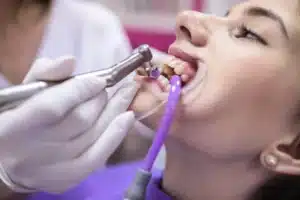
Routine Scaling and Polishing During Pregnancy
Professional
scaling and polishing in Singapore are required to remove hardened calculus (tartar) that cannot be cleared through standard personal oral hygiene practices. This non-invasive clinical procedure effectively reduces localised bacterial load, directly mitigating gingival inflammation and preventing the progression of periodontal disease.
Optimal Treatment Window: The Second Trimester
While essential or emergency dental interventions can be safely performed during any stage of gestation, elective and routine dental procedures are optimally scheduled during the second trimester. This period presents the lowest risk for foetal development and avoids the postural discomfort or inferior vena cava compression syndrome that can occur when a patient is in a supine position during late-stage pregnancy.
Safe Treatment Protocols: Dental X-Rays and Local Anaesthetics
Modern dental x-rays use extremely low radiation. Protective lead aprons provide extra shielding for the abdomen. Local anaesthetics used for numbing are also generally safe when administered by a qualified professional.
Home Care & Preventive Measures
Daily habits play a massive role in managing oral health. A few simple adjustments to your routine can keep swelling at bay.
The 30-Minute Rule After Morning Sickness
Morning sickness introduces stomach acid into the mouth. Brushing immediately can erode your weakened enamel.
- Rinse thoroughly with plain water first.
- Wait at least 30 minutes for your saliva to neutralise the acid.
- Brush gently with a soft toothbrush.
Selecting Safe Dental Products: Toothpaste and Mouthwashes
Opt for a soft-bristled toothbrush to avoid irritating sensitive tissues. Standard fluoride toothpaste is perfectly safe and highly recommended to protect against decay.
Natural Relief: Safe Warm Saltwater Rinses
Gargling with warm saltwater helps reduce swelling naturally. It creates an environment that slows bacterial growth. This offers mild, safe relief from daily tenderness.
Frequently Asked Questions About Prenatal Dental Care
Why can’t you use adult teething or mouth ulcer gels when pregnant?
Many adult oral pain gels contain salicylates, which are closely related to aspirin. These ingredients are often unsuitable during late pregnancy. They can potentially affect foetal circulation. Always ask a doctor for safe, pregnancy-approved alternatives.
Can I kiss my partner if they have gingivitis?
Gingivitis itself is not strictly contagious like a cold. The bacteria causing tooth decay, however, can be passed through saliva. Maintaining good oral hygiene is a team effort that benefits both partners.
Can I rinse with mouthwash while pregnant?
Standard alcohol-free mouth rinses are generally safe. Try to avoid products with strong medicinal active ingredients unless specifically advised by a dental professional.
Will my pregnancy gingivitis go away after I give birth?
As hormone levels stabilise post-delivery, the exaggerated inflammation usually subsides. Any hardened plaque that formed over the nine months will still require professional removal.
Prioritise Your Smile for a Healthy Pregnancy Journey
Taking proactive steps protects your smile and supports your baby’s development. If you are experiencing bleeding gums or simply want to ensure your oral hygiene is on the right track, the gentle team at WeSmile Dental Singapore is here to support you. Let us help you keep your teeth and gums healthy throughout all three trimesters.
Schedule Your Supportive Prenatal Dental Checkup today.
Published on: 22 July 2026