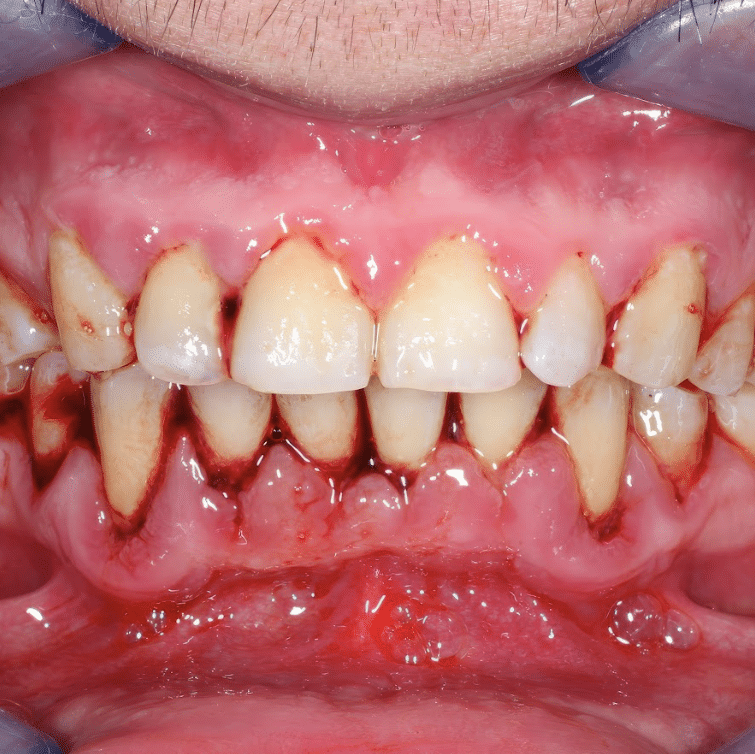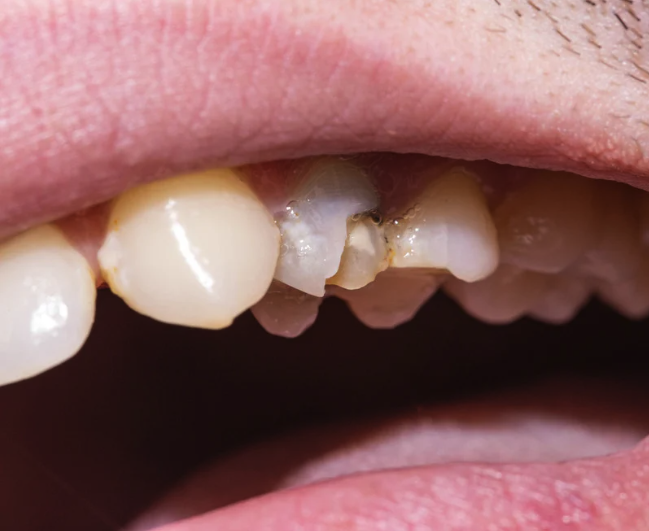
Waking up with a stiff jaw or a dull headache? You might be unconsciously rubbing your teeth together.
Teeth grinding, clinically known as bruxism, affects numerous adults navigating Singapore’s fast-paced environment. If left untreated, it appears to cause severe enamel wear. Let us explore the causes, symptoms, and potential treatments.
What is Teeth Grinding (Bruxism)?
Bruxism is the medical term for the unconscious habit of gnashing, rubbing, or tightly pressing your teeth together. It consists of two distinct behaviours: grinding and clenching.
Over time, the constant mechanical friction wears down the protective enamel layer. Meanwhile, the ongoing muscular strain often leads to a sore, tired jaw. The teeth suffer physical damage, while the facial muscles become overworked and fatigued.
Who is Most Affected by Clenching Teeth?
Clenching teeth predominantly affects stressed adults managing heavy workloads or personal pressures. The rapid lifestyle in Singapore may suggest a higher prevalence among working professionals.
Children and toddlers also experience bruxism. For the younger ones, it is usually a temporary phase related to the growth and development of their jaws. Most children outgrow it naturally. However, adults often require intervention to protect their teeth from irreversible damage.
Types of Teeth Grinding and Common Symptoms
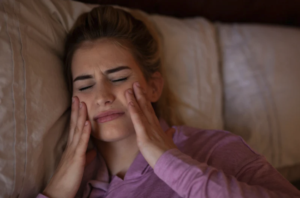
From grinding teeth in sleep to daytime clenching, bruxism shows up in different ways. Recognising the pattern early may prevent lasting damage to your teeth and jaw.
Grinding Teeth While Sleeping (Sleep Bruxism)
Sleep bruxism is arguably the more damaging form. During sleep, the conscious mind offers no check on muscle force. Studies suggest people can apply up to 250 lbs (113kg) of force while grinding teeth in sleep, compared to around 20 lbs (9kg) during normal chewing. This sustained pressure erodes enamel rapidly, flattens cusps, and may disrupt sleep quality, leaving you feeling unrested even after a full night.
Grinding Teeth While Awake (Awake Bruxism)
Daytime grinding is typically a subconscious reaction to stress, intense concentration, or frustration. You might notice it while stuck in traffic, staring at a spreadsheet, or during a tense phone call. Unlike sleep bruxism, awake bruxism tends to involve more clenching than actual grinding. The upside is that once you become aware of it, you can consciously relax the jaw.
Physical Symptoms of Teeth Grinding to Watch Out For
- Morning jaw soreness or stiffness
- Dull, persistent headaches centred around the temples
- Tooth sensitivity to hot, cold, or sweet foods
- Teeth that appear flattened, chipped, or worn down
- A clicking or popping sound when opening the mouth (a possible sign of TMJ involvement)
- Disrupted sleep, or a partner mentioning the sound of grinding
What Are the Causes of Teeth Grinding?
Bruxism tends to arise from a mix of psychological, physiological, and lifestyle factors.

Stress, Anxiety, and High-Pressure Lifestyles
Psychological factors drive this condition, especially in high-stress environments like Singapore. Chronic stress and anxiety keep the body tense, often causing the jaw to bear the brunt of that pressure. Consequently, many people experience increased grinding during demanding work periods or major life transitions.
Sleep Disorders and Sleep Apnea Connections
There appears to be a strong connection between sleep bruxism and obstructive sleep apnea. If an obstructed airway blocks breathing, the body instinctively shifts the jaw forward to reopen it. This movement can trigger grinding. Persistent snoring or morning fatigue may indicate a sleep disorder linked to your teeth grinding.
Lifestyle Factors and Misaligned Bites
Excessive caffeine or alcohol consumption can overstimulate the nervous system and disrupt normal muscle relaxation during sleep. A misaligned bite (malocclusion) is another common contributor. Misaligned teeth force jaw muscles to overcompensate, causing uneven pressure and grinding.
Teeth Grinding Treatments at WeSmile Dental Singapore
WeSmile offers practical, evidence-based treatment options for bruxism, ranging from protective to restorative care and bite correction.
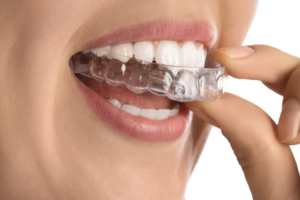
Mouth Guard for Teeth Grinding (Night Guards)
A custom night guard remains the most reliable way to protect teeth from further damage. Unlike generic store-bought guards, WeSmile crafts custom protectors from your dental impressions to ensure a comfortable, secure fit. They act as a buffer between the upper and lower teeth, absorbing force and preventing enamel wear throughout the night.
Dental Restorations for Severe Enamel Wear
When bruxism has already caused noticeable damage, restoration becomes necessary. WeSmile uses tooth-coloured fillings to rebuild worn or chipped teeth, blending seamlessly with natural enamel. To repair extensive damage, durable porcelain, ceramic, or metal crowns restore your tooth’s appearance and function.
Orthodontic Interventions (Invisalign) for Bite Correction
If a misaligned bite is at the root of the grinding, addressing it directly makes sense. Invisalign clear aligners can gradually shift teeth into proper alignment, reducing the irregular occlusal pressure that triggers jaw muscle activity. It is a longer-term commitment, but one that may resolve the underlying cause rather than just managing symptoms.
How Much Does Teeth Grinding Treatment Cost in Singapore?
Transparent pricing matters. Here is what to expect at WeSmile Dental:
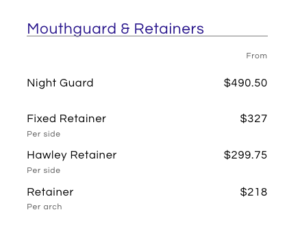
For more information about our prices as well as other services, you can refer to our comprehensive price list here.
Accessible Dental Care and Subsidies
WeSmile accepts CHAS, Pioneer Generation, and Merdeka Generation subsidies for eligible restorative treatments such as fillings. This helps make general dental care more accessible, particularly for patients requiring multiple restorations due to long-term enamel wear.
Frequently Asked Questions About Teeth Grinding Treatment
How to Stop Grinding Teeth in Sleep Naturally?
Many wonder how to stop grinding teeth in sleep naturally. While natural remedies rarely cure severe bruxism, they can reduce its intensity. Stress reduction techniques like evening yoga or meditation are beneficial. Cutting out caffeine and alcohol at least four hours before bed promotes deeper, less restless sleep. Applying a warm compress to your jaw before sleeping helps relax tense muscles.
How to Prevent Teeth Grinding in the Long Term?
When exploring how to prevent teeth grinding or how to avoid teeth grinding altogether, the focus should be on holistic health. Managing everyday stress is crucial. Additionally, knowing how to stop grinding teeth requires routine monitoring. Regular dental check-ups allow dentists to spot early signs of wear before they become severe. Early detection is always better than complex restoration.
Will Wearing Retainers Stop Teeth Grinding?
Orthodontic retainers like the Hawley type are not built for heavy pressure. Standard retainers only hold teeth in position. In contrast, dedicated night guards use the specific materials and thickness required to absorb bruxism impacts. Using a standard retainer instead may cause the plastic to crack under intense force.
Why Choose WeSmile Dental?
Finding the right dental partner is essential for your long-term oral health. Our clinics feature multilingual doctors who communicate clearly in a language you are comfortable with. With three convenient locations across Ang Mo Kio, Bedok, and Orchard, quality care is never far away. We focus on sustainable health rather than quick fixes.