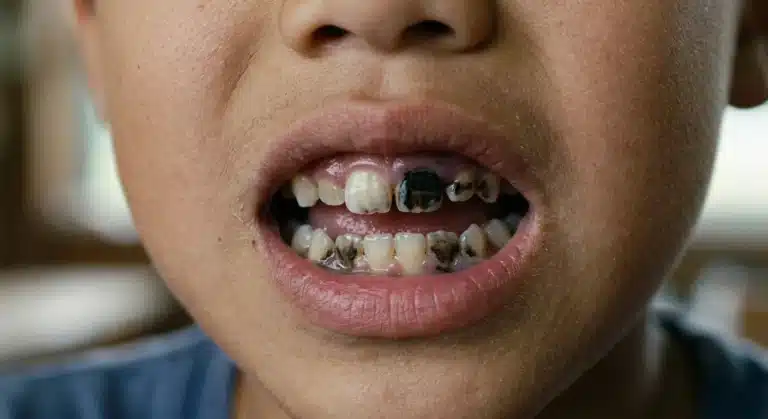
Worried about cavities despite brushing twice daily? You’re doing the basics right, but your teeth might need an extra layer of protection. That’s where topical fluoride treatment comes in. This dental procedure has helped prevent tooth decay in Singapore for decades. Many people still wonder whether they need it or whether it is worth the cost. Let’s explore what this treatment actually involves and whether it might benefit you or your family.
What is Topical Fluoride Treatment and What Is It For?
Professional topical fluoride treatment offers a concentrated boost of protection that goes beyond what the regular toothpaste can provide. This section breaks down exactly what happens during the procedure and when you might need it.

Understanding Topical Fluoride Treatment for Teeth
Topical fluoride is a professional treatment that applies a high-strength fluoride directly to your teeth to prevent decay. Unlike the fluoride in your daily toothpaste, these clinical applications contain between 9,000 to 20,000 ppm of fluoride. It works by triggering remineralisation, a process that rebuilds weakened enamel and reinforces teeth against daily acid attacks. By strengthening this outer layer, it effectively halts early decay before cavities can form.
Systemic vs. Topical Fluoride: Knowing the Difference
You might have heard about fluoride in drinking water and wondered how it differs from what your dentist applies. While systemic fluoride (water/supplements) benefits developing teeth from within, topical fluoride provides targeted protection for existing teeth. By applying a concentrated dose directly to the surface, dentists reinforce the outer enamel against daily wear and tear, offering immediate benefits for patients of all ages.
The Topical Fluoride Treatment Dentist Procedure
The entire process takes less than five minutes and causes no discomfort. Your dentist will typically start with a professional cleaning to remove any plaque or tartar, ensuring the fluoride can make direct contact with your tooth surface. Then, using a small brush or tray, they’ll apply the fluoride solution evenly across all your teeth.
To ensure maximum absorption, avoid rinsing, eating, or drinking for 30 minutes post-application. While some varnishes set instantly, gels require this full waiting period to be effective.
When Should You Consider Topical Fluoride Treatment?
Certain warning signs suggest your teeth could benefit from this extra protection:
- White or chalky spots appearing on your teeth (early demineralisation)
- Increased sensitivity when eating hot, cold, or sweet foods
- A history of getting cavities frequently, even with good brushing habits
- Recent changes in your oral health or diet
If you’ve had more than two cavities in the past three years, your dentist will likely recommend regular fluoride applications as part of your preventive care routine.
Types of Topical Fluoride Treatment Available in Singapore
Dental clinics across Singapore offer several forms of professional fluoride treatment, each with distinct advantages. Understanding these options helps you know what to expect during your appointment.
Fluoride Varnish: The Quick-Dry Protection
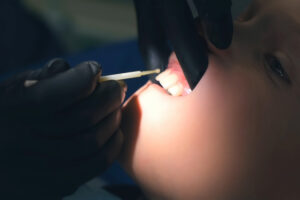
Fluoride varnish remains the most popular choice in Singapore, particularly for children. Your dentist paints it onto your teeth using a small brush, and it sets almost instantly when it touches saliva. The convenience is hard to beat. You can eat soft foods within an hour, though dentists typically recommend waiting four to six hours for best results.
The varnish creates a sticky coating that clings to tooth surfaces for several hours, allowing extended fluoride exposure. Parents appreciate this option because children don’t need to sit still for long periods or worry about swallowing excess fluoride.
Fluoride Gels and Foams: Total Coverage Application
Fluoride gels and foams offer thorough coverage, especially useful for patients with braces or complex dental work. Your dentist places the fluoride in a soft tray that fits over your upper and lower teeth. You’ll bite down gently for one to four minutes whilst the solution reaches every surface, including those hard-to-brush areas between brackets and wires.
This method requires a bit more cooperation than varnish, which is why it’s often preferred for teenagers and adults rather than young children.
Professional Fluoride Mouth Rinse

Some clinics provide high-concentration fluoride rinses for specific clinical situations. These aren’t the same as over-the-counter rinses you buy at the pharmacy. Professional-strength rinses may be recommended for patients who struggle with traditional application methods or need ongoing treatment between dental visits.
Fluoride Toothpaste
Whilst not a professional treatment per se, prescription-strength fluoride toothpaste (5,000 ppm) bridges the gap between regular home care and in-office applications. Your dentist might prescribe this for daily use if you’re at high risk for cavities but can’t visit the clinic every few months.
Prescription Fluoride Products
Beyond toothpaste, dentists can prescribe special fluoride gels for home use. These are particularly helpful for patients undergoing radiation therapy, those with severe dry mouth, or anyone with rapidly progressing decay that needs daily intervention.
Benefits of Topical Fluoride Treatment: Who Needs It Most?
Not everyone requires professional fluoride treatment, but certain groups stand to gain considerable protection from this preventive measure. Let’s look at who benefits most and why.
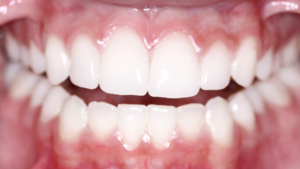
Key Benefits of Professional Fluoride Treatment
The advantages of topical fluoride treatment extend beyond simple cavity prevention:
- Strengthens tooth enamel, making it more resistant to acid attacks
- Reverses early stages of tooth decay before cavities develop
- Reduces tooth sensitivity by blocking microscopic channels in the enamel
- Proves more cost-effective than treating cavities after they form
- Provides lasting protection that continues working for months
Who Should Get Regular Fluoride Treatment?
Certain groups are more vulnerable to tooth decay and should consider routine fluoride applications:
- Children between 6 months and 16 years whilst their permanent teeth are still developing
- Adults with a pattern of frequent cavities (more than two in three years)
- Anyone wearing braces or clear aligners, which create extra hiding spots for bacteria
- People experiencing dry mouth from medications or medical conditions
- Those with receding gums or exposed tooth roots
- Frequent consumers of sugary snacks or acidic beverages
Recommended Fluoride Treatment Frequency in Singapore
How often you need professional fluoride treatment depends on your personal risk factors. Low-risk patients typically require just one application per year during their routine check-up. If you fall into the moderate-risk category, your dentist might suggest treatment every six to twelve months.
High-risk individuals, however, benefit from more frequent applications every three to six months. Your dentist will assess your specific situation and create a personalised schedule that matches your needs and budget.
Risks, Limitations, and Side Effects of Fluoride Treatment
Whilst topical fluoride treatment is generally safe and well-tolerated, it’s worth understanding the potential drawbacks and knowing what to expect after your appointment.

Are There Any Risks or Disadvantages to Topical Fluoride?
The risks associated with professional fluoride treatment are minimal when applied correctly:
- Fluorosis can occur in children under six if they receive excessive fluoride over long periods, causing white streaks or spots on developing teeth
- Temporary mild sensitivity affects some patients but usually resolves within a day
- Allergic reactions to fluoride or other ingredients are extremely rare
- The treatment works best alongside good oral hygiene, not as a replacement for brushing and flossing
- There’s virtually no downtime required after the procedure
Most of these concerns can be avoided by following your dentist’s recommendations and sticking to the prescribed treatment schedule.
What to Avoid After Fluoride Treatment
Proper aftercare ensures you get the maximum benefit from your fluoride application. Your dentist will likely advise:
- No eating or drinking for at least 30 minutes after treatment
- Avoiding hot, crunchy, or sticky foods for four to six hours if you received varnish
- Skipping your usual brushing and flossing routine for four to six hours
- Not consuming alcohol for about six hours post-treatment
Who Should Avoid or Postpone Fluoride Treatment?
A few situations warrant caution or delay:
- Known allergies to fluoride or any ingredients in the application solution
- Open mouth sores or severe gum inflammation (best to treat these issues first)
- Recent oral surgery (check with your dentist about appropriate timing)
- Pregnancy (generally considered safe, but always discuss with both your dentist and gynaecologist)
If any of these apply to you, mention them during your consultation so your dentist can adjust your treatment plan accordingly.
How Much Does Topical Fluoride Treatment Cost?
In Singapore, the price for a standalone application is quite accessible, especially when compared to the restorative work it helps prevent.
Singapore Private Clinic Price Benchmarks
Prices at private dental clinics across Singapore typically range from $32.70 to $82 for a standalone fluoride application. The variation depends on factors like the type of fluoride used, the clinic’s location, and whether the treatment is bundled with other services.
Standalone treatments are convenient if you only need fluoride without a full cleaning, though most dentists recommend combining both for optimal results.
Maximising Value with WeSmile Essentials
At WeSmile Dental, our $98 nett Essentials package includes scaling, polishing, fluoride, and full-mouth X-rays. This offer is available on weekdays from 1–4 PM. This bundle offers better value than paying for each service separately. It ensures your teeth get thorough, preventive care in just one visit.
Combining treatments also saves time. Instead of scheduling multiple appointments, you can address your cleaning and fluoride needs together.
CHAS Subsidies and Financial Assistance
Eligible Singapore citizens can lower their fluoride treatment costs to $21-$31 using CHAS subsidies at participating clinics. These subsidies make preventive dental care more affordable, particularly for families with multiple children who need regular applications.
Check your CHAS eligibility and find participating clinics through the official CHAS website. The savings can add up considerably over time, especially if you require treatment every few months.
Frequently Asked Questions About Topical Fluoride Treatment
Can you apply topical fluoride yourself at home?
No. Professional treatments use concentrations that require careful application by trained dental professionals. Over-the-counter products don’t provide the same level of protection.
How long does topical fluoride treatment last?
The protective effects usually last three to six months. Because of this, we recommend regular reapplications based on your specific dental needs.
Does topical fluoride really help teeth?
Yes. Research shows that professional fluoride, combined with good oral hygiene, reduces cavities by 25% to 40%.
Can I brush my teeth after fluoride treatment?
You should wait four to six hours before brushing to allow complete fluoride absorption into your enamel.
Is fluoride treatment safe during pregnancy?
Professional fluoride is safe during pregnancy. However, it is always best to check with both your dentist and gynaecologist before any procedure.
How long to eat after topical fluoride application?
Wait at least 30 minutes before eating or drinking. For optimal results, particularly with varnish applications, waiting four to six hours is preferable.
Why Choose WeSmile Dental for Your Fluoride Treatment
WeSmile Dental operates three convenient locations across Singapore in AMK, Bedok, and Orchard. Making quality dental care accessible wherever you are. Our multilingual team ensures clear communication in English, Mandarin, and various dialects, so you fully understand your treatment options.
We focus on long-term oral health rather than quick fixes. We take the time to explain why fluoride treatment might benefit you rather than pushing unnecessary procedures.
Ready to give your teeth the protection they deserve? Book your dental assessment at WeSmile Dental today.