
WSD Essentials (Scaling & Polishing, Fluoride Treatment, Full Mouth X-rays) at $98 nett. Learn more.

WeSmile Essentials (Scaling & Polishing, Fluoride Treatment, Full Mouth X-rays) at $98 nett. Learn more.

Empowering you with dental care knowledge

At WeSmile Dental, we aim to make information accessible, allowing everyone to care for their teeth and gum health. These articles provide valuable insights to different dental conditions & treatments, so that you can stay informed and take charge of your own dental health today. 

Man holding extracted tooth after procedure

Wisdom Teeth Stitches: Aftercare Guide for Healing and Recovery in Singapore

Published on: 15 October 2026   In the first day or two after a wisdom tooth extraction, swelling, mild soreness, and a little pink oozing around the wisdom teeth stitches are normal. Depending on the type, the stitches either dissolve on their own within a few weeks or are removed at the clinic about 7 to 10 days after surgery. Recovery from the surgery itself takes up to two weeks,
Read More »
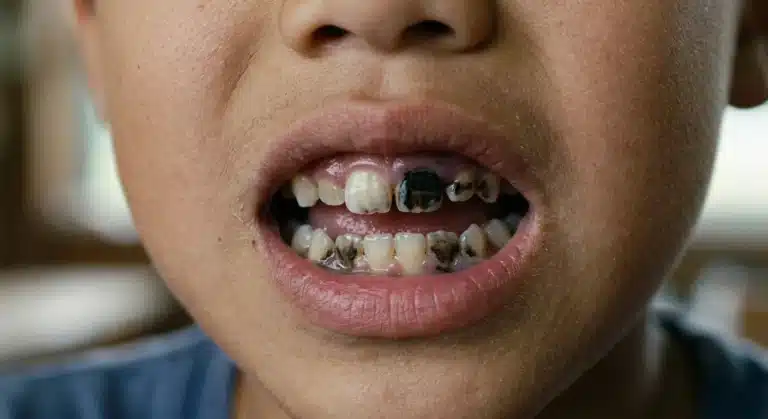
Close-up of kid’s mouth with severe tooth decay and black discolouration

Black Teeth in Kids: Causes, When to Worry and Treatment Options in Singapore

Published on: 15 October 2026   Black teeth in kids are most often caused by black stain, a harmless dark line left by bacteria along the gumline, or by tooth decay. Other causes include liquid iron supplements, a knock to the tooth that damages the nerve inside, and silver diamine fluoride, a liquid dentists paint on to stop decay. Stains sit on the surface and can be polished off, while

Read More »
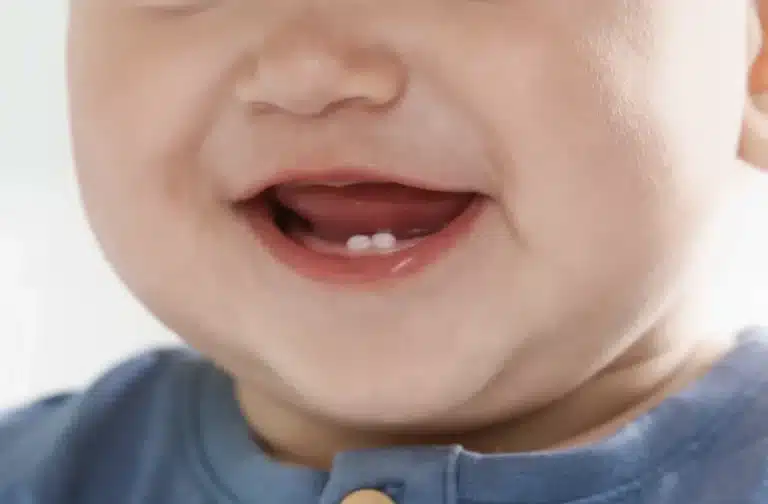
Close-up of a baby’s mouth showing two lower front teeth coming through.

Baby Teeth Chart for Parents: The Order Milk Teeth Come In and Fall Out

Published on: 15 October 2026   Babies have 20 baby teeth, also called milk teeth, primary teeth or deciduous teeth because they are shed. The first ones, usually the lower front teeth, come in between 4 and 12 months of age, and most children have all 20 by about age three. Baby teeth start to fall out around age six, in roughly the same order they came in, and the

Read More »
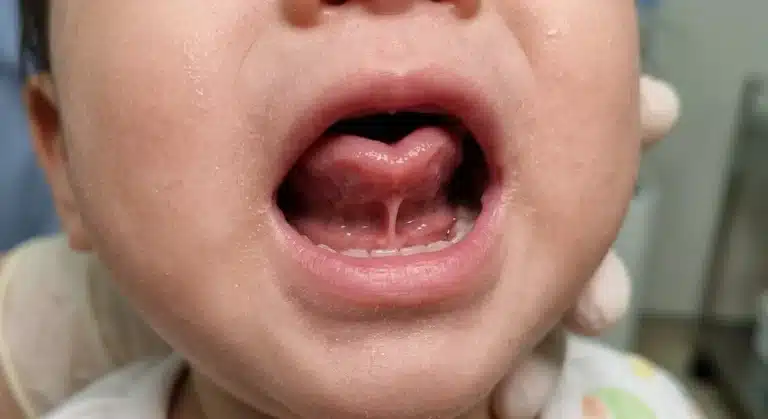
Close-up of open mouth showing tight lingual frenulum in a tongue tied baby

Tongue Tied Baby: What It Means, How to Spot It, and Treatment Options in Singapore

Published on: 15 October 2026   A tongue-tied baby has a tight band of tissue under their tongue, called the lingual frenulum, that limits how the tongue lifts and moves. The condition, known as ankyloglossia, is present from birth. In newborns, it can cause difficulty latching, tiring at feeds and painful nursing. In toddlers, it may show up as unclear speech sounds or trouble with solid foods. Not every tongue-tie

Read More »
Children holding ice cream cones, representing soft and cold foods when deciding what to eat after tooth extraction.

What To Eat After Tooth Extraction?

Published on: 18 September 2026   After a tooth extraction, what you eat has a direct effect on how comfortably and quickly you heal. The extraction site depends on an undisturbed blood clot to protect the bone and nerve tissue underneath it, and eating the wrong foods too soon is one of the most common causes of dry socket (alveolar osteitis) and delayed healing. This guide sets out a clinically

Read More »
Fussing infant sitting in a high chair chewing on a blue teether, demonstrating common behavioral signs baby is teething.

Baby Teething Signs: Fever, Rash & When to Call Your Paediatrician

Published on: 18 September 2026   Teething is one of the most talked-about milestones in a baby’s first year, usually starting around six months of age. It also causes plenty of parental worry, especially when a fever shows up alongside those first swollen gums. This guide separates genuine teething signs from symptoms that need a paediatrician’s attention, so your child gets the right care at the right time, alongside routine

Read More »
Woman looking in a bathroom mirror brushing her teeth during her morning routine, illustrating whether to brush teeth before or after breakfast.

Should You Brush Your Teeth Before or After Breakfast?

Published on: 18 September 2026   Brushing before breakfast is the simplest way to protect your enamel, since fluoride toothpaste forms a protective barrier before food or drink touches your teeth. If you prefer brushing after eating, wait 20 to 30 minutes, especially after acidic items like coffee, citrus juice or yoghurt, because acid temporarily softens enamel and brushing too soon can wear it down. Low-acidity breakfasts such as eggs,

Read More »
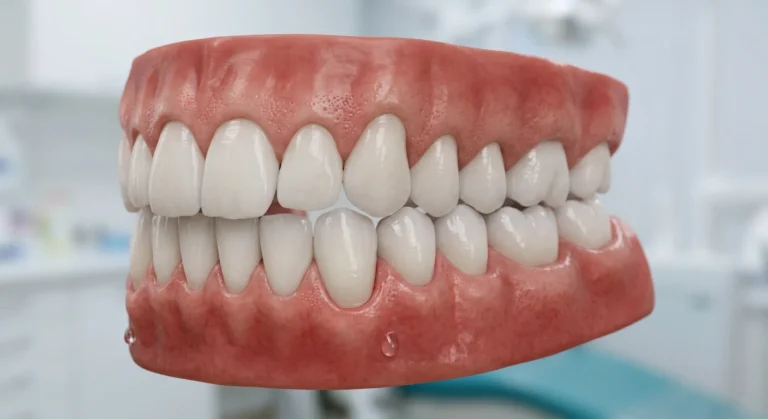
3D model displaying a full set of upper and lower adult teeth alignment for learning teeth names.

Teeth Names and Anatomy: What Your Dentist Calls Each Tooth

Published on: 18 September 2026 Adults typically have 32 permanent teeth, while children have 20 primary (baby) teeth. In Singapore, dentists use the standardised FDI (Fédération Dentaire Internationale) World Dental Federation notation to identify each tooth precisely. Your teeth are classified into four primary types: incisors (biting and cutting), canines (tearing and jaw guidance), premolars (tearing and grinding), and molars (crushing and heavy chewing, including wisdom teeth). Understanding tooth names

Read More »
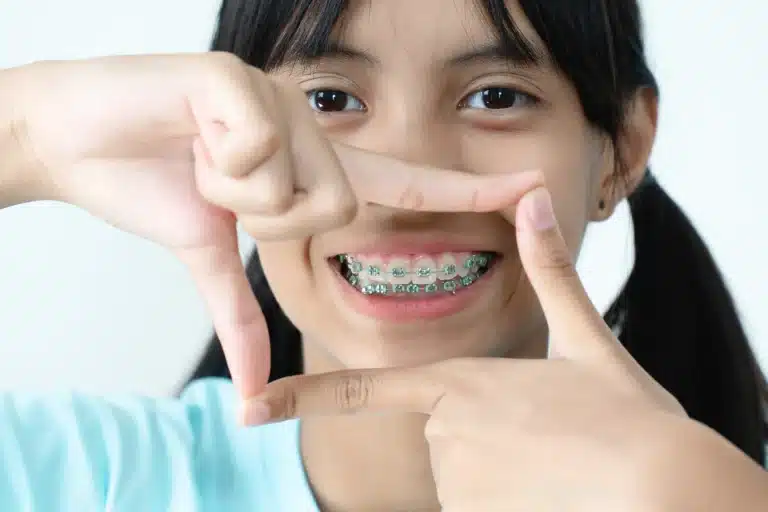
Girl showing off metal braces after knowing which foods to avoid with braces.

Foods to Avoid With Braces in Singapore

Hard, sticky, and chewy foods pose the biggest risk to your braces. They snap wires, pop brackets off your teeth, and can delay your treatment. That includes local favourites like bak kwa, kueh, whole nuts, and ice. This guide covers exactly which foods to avoid with braces, why each one causes damage, and what you can still eat safely. If you’re just starting treatment, exploring some dental braces treatment provides

Read More »